Why a WhatsApp screenshot is not proof of delivery
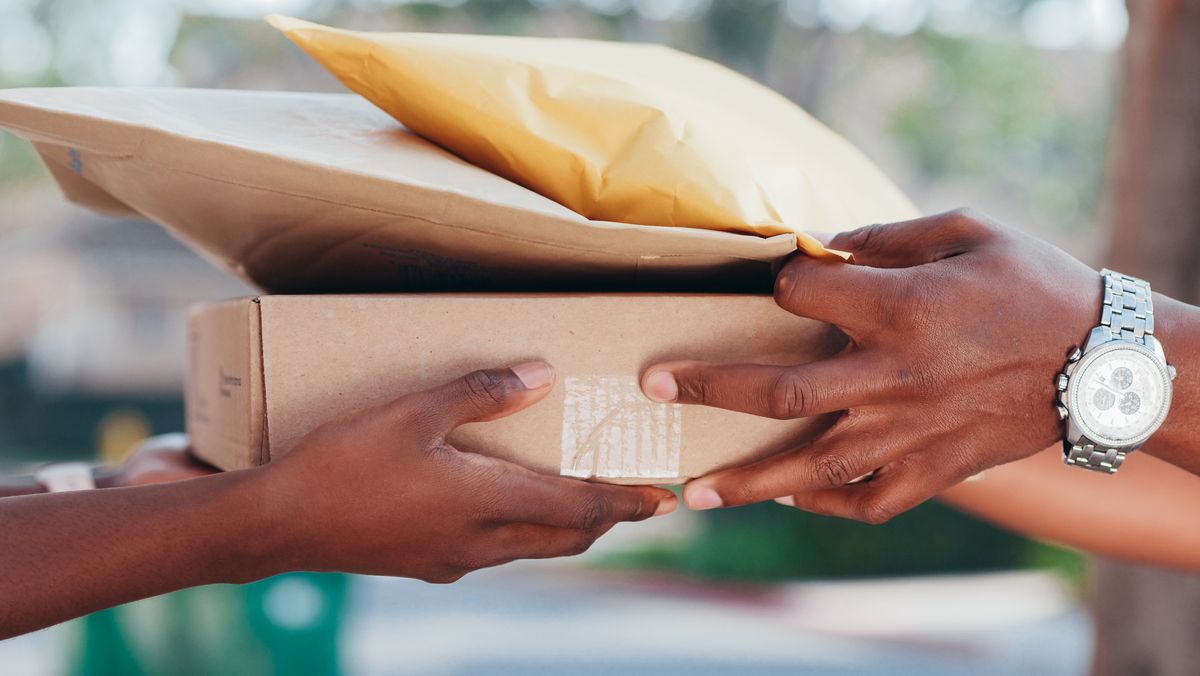
A rider drops off a package, takes a photo, and sends it to the operations WhatsApp group. It feels like a record. It is not, and the gap only becomes obvious the day a customer disputes the delivery.
What actually happens to that photo
It sits in a chat thread, mixed in with forty other messages from the same day, from every other rider on the fleet. There is no reliable timestamp beyond WhatsApp's own message time, which a customer can reasonably question. There is no way to search "show me every delivery to this customer in the last three months" without scrolling through weeks of unrelated messages. If the phone that took the photo changes hands or the app gets reinstalled, the record can disappear entirely.
The dispute you cannot win
A customer messages three weeks after a delivery, saying it never arrived. Somewhere in a chat history is a photo that proves otherwise, if you can find it. By the time someone locates it, the customer has already escalated, left a review, or asked for a refund. The proof existed. It just was not usable when it mattered.
This is the real cost of screenshot-based proof: it is not that the evidence does not exist, it is that it is not retrievable fast enough to be useful in the moment a dispute happens.
What an actual proof-of-delivery record needs
- A timestamp from the system, not the phone. The photo needs to be stamped by the platform the moment it is taken, tied to GPS location, not just whatever time the sender's phone clock shows.
- A link to the specific delivery. Not a folder of photos from the day, but one photo attached directly to one trip record, one customer, one address.
- Instant retrieval by customer or order. Someone should be able to search by customer name or order reference and find the exact proof in seconds, not scroll through a chat history.
- A record that survives staff changes. If the rider who made the delivery leaves the company or changes phones, the proof should not leave with them.
None of this requires complicated infrastructure. It requires the photo to be captured inside the same system that already knows which delivery it belongs to, rather than a messaging app that was never built to be a record keeper.
What this looks like in practice
On Traxx, when a rider closes out a delivery, the photo is captured through the Rider App itself, tied automatically to that trip's GPS coordinates, timestamp, and customer record. A fleet manager or customer support agent searching by customer name or delivery date finds it directly, with no scrolling required. The rider does not need to remember to forward anything to anyone.
It is a small shift in where the photo lives, but it is the difference between proof that exists and proof you can actually produce when a customer asks for it.